



What Is 100% Polyester Fabric?
100% Polyester fabric is a synthetic fiber textile made entirely from polyethylene terephthalate (PET). It is one of the most widely used synthetic fibers in the apparel industry due to its durability, wrinkle resistance, colorfastness, and easy care.
12/31/20252 min read

100% Polyester Fabric: Comprehensive Guide
I. What Is 100% Polyester Fabric?
100% Polyester fabric is a synthetic fiber textile made entirely from polyethylene terephthalate (PET). It is one of the most widely used synthetic fibers in the apparel industry due to its durability, wrinkle resistance, colorfastness, and easy care.
Key Characteristics:
High strength and abrasion resistance
Lightweight yet resilient
Wrinkle-resistant, shape-retentive, and quick-drying
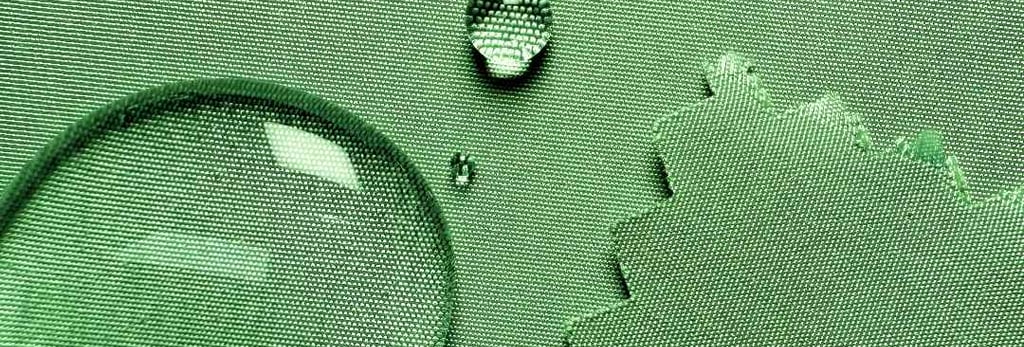
Compatible with functional finishes: water-repellent, stain-resistant, flame-retardant
Applications: 100% polyester fabrics are used in woven and knitted structures, suitable for casual wear, sportswear, uniforms, and outerwear.
II. Applications and Suitable Processes by Thickness
1.Thin / Lightweight Polyester Fabric (20–80 gsm)
Applications:
T-shirts, lightweight shirts, summer dresses, activewear tops
Packable raincoats, windbreakers
Suitable Processes:
Fine woven or tight knitted structures
Easy dyeing or printing: disperse dyeing, sublimation printing
Heat-setting to improve shape retention
Lightweight coating for water-repellent finish
Advantages:
Lightweight and comfortable for daily wear
Quick-drying and easy to care for
Suitable for high-volume production
Limitations:
Low thermal insulation
Limited wind protection
Prone to static in dry conditions
2.Medium / Midweight Polyester Fabric (90–200 gsm)
Applications:
Casual jackets, work shirts, trousers, mid-season dresses
Light outerwear and office uniforms
Suitable Processes:
Woven or knitted medium-density fabric
Heat-set to prevent shrinkage
Functional finishes such as anti-wrinkle, stain-resistant, or water-repellent
Compatible with embroidery and screen printing
Advantages:
Balanced durability and comfort
Holds shape well and resists wrinkling
Versatile for different garment types
Limitations:
Slightly heavier than thin fabrics
Moderate breathability, may require lining for comfort
3.Thick / Heavyweight Polyester Fabric (200–400 gsm)
Applications:
Winter jackets, coats, parkas, ski jackets, insulated workwear
Upholstery or heavy-duty uniforms
Suitable Processes:
High-density weaving or double-layer knitting
Can be laminated or coated with PU/TPU for waterproof or windproof properties
Heat-setting for stability and anti-wrinkle
Suitable for padding with down, cotton, or synthetic insulation
Advantages:
Excellent durability and abrasion resistance
Water- and wind-resistant after finishing
Maintains shape and structure even under heavy wear
Limitations:
Heavier and less breathable
Higher cost compared to lightweight polyester fabrics
Not suitable for summer or lightweight garments
III. Key Advantages of 100% Polyester Fabric
Durable and abrasion-resistant – suitable for daily wear, sportswear, and outerwear
Wrinkle-free and easy to maintain – ideal for uniforms and mass production garments
Good dyeing and printing performance – compatible with sublimation, disperse dyeing, and functional coatings
Functional finish adaptability – water-repellent, anti-stain, flame-retardant
Cost-effective and scalable – ideal for large-scale apparel manufacturing
IV. Main Limitations of 100% Polyester Fabric
Low moisture absorption – can feel sticky in hot and humid conditions
Static-prone – especially in dry climates or during friction
Limited thermal comfort in thin fabrics – requires layering for warmth
Heavier in thick versions – not suitable for lightweight garments
Environmental impact – synthetic fiber; recycling is needed for sustainability
V. Conclusion
100% polyester fabric is one of the most versatile fabrics in the apparel industry.
By selecting the appropriate thickness and applying proper functional finishes, polyester fabrics can meet the needs of lightweight summer wear, midweight office garments, and heavy winter outerwear.
For apparel brands, choosing the right 100% polyester fabric ensures durability, cost-efficiency, functional performance, and scalability, while supporting consistent quality for domestic and
Contact
Address
No. 4101, West Ring 2nd Road, Shengze Town, Wujiang District,
Suzhou, Jiangsu Province, China
Postal Code: 215228
Email:
Howard Delaney:+86 139 1851 7843
© 2025. All rights reserved.
Jerry:+86 133 2801 6961