


What Is 100% Nylon Fabric?
100% Nylon (Polyamide) fabric is a synthetic fiber textile made entirely from polyamide fibers. It is known for its high strength, lightweight, abrasion resistance, and easy dyeing. Nylon fabrics can be processed into woven, knitted, brushed, or glazed fabrics, widely used in apparel and functional textiles.
12/31/20252 min read
100% Nylon Fabric: Comprehensive Guide
I. What Is 100% Nylon Fabric?
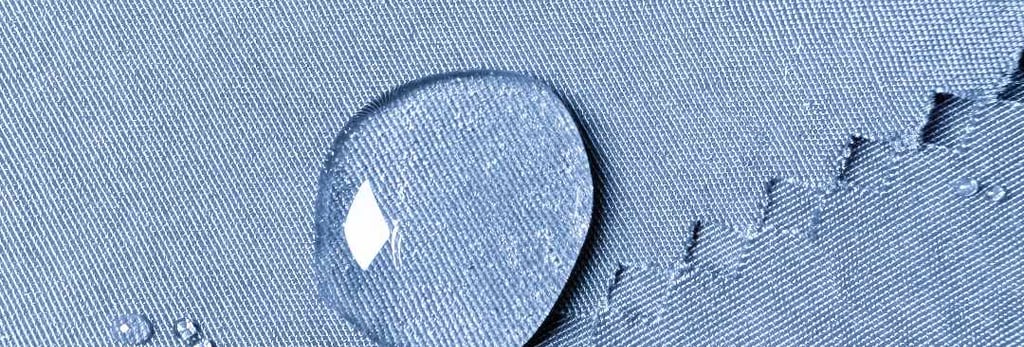
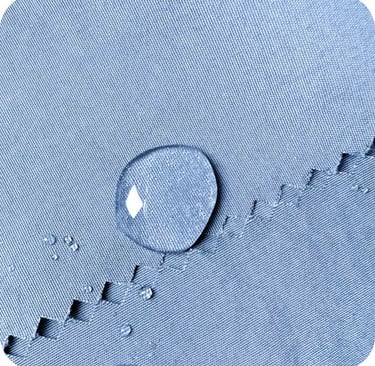
100% Nylon (Polyamide) fabric is a synthetic fiber textile made entirely from polyamide fibers. It is known for its high strength, lightweight, abrasion resistance, and easy dyeing.
Nylon fabrics can be processed into woven, knitted, brushed, or glazed fabrics, widely used in apparel and functional textiles.
Key Features:
High strength and tear resistance
Lightweight, suitable for thin garments and sportswear
Good thermal retention (thicker nylon fabrics can be insulated or padded)
Compatible with functional finishes: waterproof, windproof, stain-resistant, flame-retardant
II. Applications and Suitable Processes by Thickness
1.Thin / Lightweight Nylon Fabric (20–70 gsm)
Applications:
Windbreakers, light jackets, raincoats, outdoor quick-dry tops
Foldable waterproof jackets and packable outerwear
Suitable Processes:
High-density weaving or tight knitting
Coating with PU or TPU for waterproofing
Heat-sealed seams or water/windproof finishes
Lightweight heat-setting or edge-bonding treatment
Advantages:
Ultra-lightweight, durable, windproof, water-resistant
Quick-drying and easily foldable
High tensile strength and tear resistance
Limitations:
Limited breathability
Low warmth; may require lining or fleece
Prone to static electricity
2.Thick / Heavyweight Nylon Fabric (100–300 gsm)
Applications:
Winter jackets, ski jackets, workwear, insulated coats
Can be padded with cotton or down for added warmth
Suitable Processes:
High-density weaving or thick plain weave
Surface treatments: water-resistant, stain-resistant, oil-repellent
PU coating, TPU film lamination, or durable three-proof finish
Heat-setting, anti-wrinkle, and anti-shrink treatment
Advantages:
Excellent warmth retention
Abrasion-resistant, windproof, water- and stain-resistant
High tensile strength, suitable for outdoor and heavy-duty wear
Limitations:
Heavier; not ideal for lightweight apparel
Breathability lower than thin fabrics
Higher cost compared to standard polyester fabrics
III. Key Advantages of 100% Nylon Fabric
High strength and abrasion resistance – ideal for sportswear, outdoor, and workwear
Lightweight design – easy to fold and carry
Excellent dyeing and printing – compatible with disperse dyeing and surface finishing
Functional finish adaptability – waterproof, windproof, stain-resistant, flame-retardant
Durability and wrinkle resistance – maintains shape even with frequent use
IV. Main Limitations of 100% Nylon Fabric
Low moisture absorption and limited breathability – may feel hot in prolonged wear
Prone to static and pilling – especially in dry or high-friction environments
Heavyweight fabrics are bulky – not suitable for casual lightweight apparel
Low heat resistance – can melt; requires low-temperature ironing
Environmental impact – synthetic fiber, requires proper recycling
V. Conclusion
100% nylon fabric is highly valued in the apparel industry for its lightweight, high-strength, and functional adaptability.
By selecting the appropriate thickness and applying suitable finishes, nylon fabrics can meet a wide range of garment needs—from lightweight windbreakers to heavy insulated winter coats—offering apparel brands a professional, high-performance fabric solution.
Contact
Address
No. 4101, West Ring 2nd Road, Shengze Town, Wujiang District,
Suzhou, Jiangsu Province, China
Postal Code: 215228
Email:
Howard Delaney:+86 139 1851 7843
© 2025. All rights reserved.
Jerry:+86 133 2801 6961