



What Are Two-Way Stretch and Four-Way Stretch Fabrics?
Two-way stretch fabrics can stretch in one direction (usually widthwise) and recover well. Four-way stretch fabrics can stretch both widthwise and lengthwise, offering maximum flexibility and shape recovery.
12/31/20252 min read
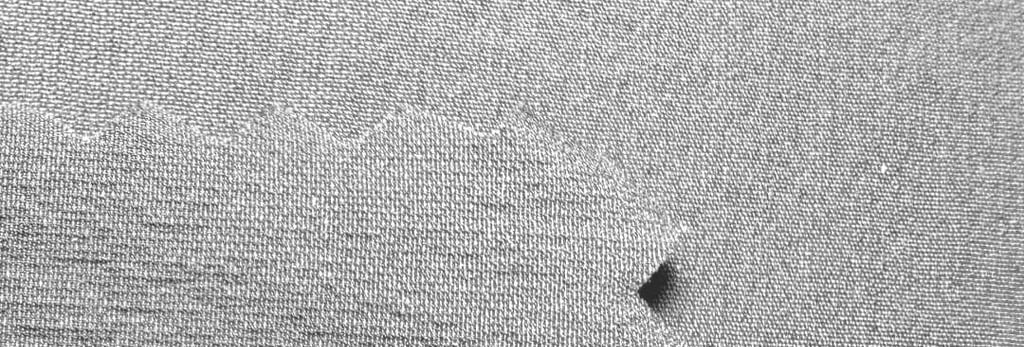
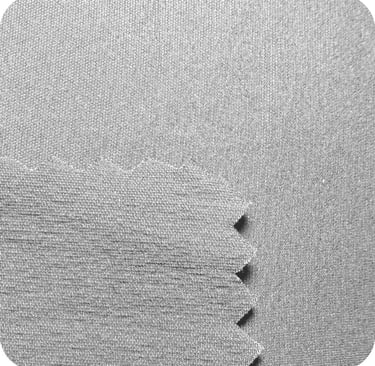
Two-Way Stretch and Four-Way Stretch Fabrics (With Spandex)
I. What Are Two-Way Stretch and Four-Way Stretch Fabrics?
Two-way stretch fabrics can stretch in one direction (usually widthwise) and recover well.
Four-way stretch fabrics can stretch both widthwise and lengthwise, offering maximum flexibility and shape recovery.
Both types contain spandex (elastane) blended with fibers such as cotton, polyester, or nylon.
They are widely used in activewear, sportswear, casual wear, and functional apparel, where mobility and comfort are key.
Key Features:
Elasticity and shape retention due to spandex content
Comfortable and body-hugging fit
Suitable for both woven and knitted constructions
Can be combined with various finishing: moisture-wicking, anti-odor, water-repellent
Common Filaments / Blends:
Cotton-Spandex
Polyester-Spandex
Nylon-Spandex
II. Applications and Suitable Processes by Thickness
1.Thin / Lightweight Stretch Fabrics (80–150 gsm)
Applications:
T-shirts, leggings, yoga tops, sports bras, casual tops
Slim-fit blouses, summer dresses
Suitable Processes:
Fine knitted structures (jersey, interlock, rib)
Heat-setting to stabilize shape
Compatible with printing, sublimation, and dyeing
Optional functional finishing: moisture-wicking, anti-odor, soft-touch
Advantages:
High comfort, soft and lightweight
Excellent stretch and recovery
Breathable and suitable for close-fitting garments
Limitations:
Thin fabrics provide minimal insulation
Stretch may reduce slightly after repeated washing
Less durable under high abrasion conditions
2.Medium / Midweight Stretch Fabrics (150–250 gsm)
Applications:
Activewear shorts, casual trousers, polo shirts, mid-season dresses
Office wear with slight body fit, yoga pants, sports jackets
Suitable Processes:
Medium-density knits or stretch-woven fabrics
Heat-setting and sanforization for shrinkage control
Compatible with embroidery and screen printing
Optional finishes: stain-resistant, wrinkle-free
Advantages:
Balanced stretch, comfort, and durability
Holds shape and supports active movement
Suitable for semi-fitted casual and functional garments
Limitations:
Slightly heavier, may feel warm in hot weather
Stretch is moderate; may not be ideal for extreme body-hugging styles
Requires careful care to maintain elasticity
3.Thick / Heavyweight Stretch Fabrics (250–400 gsm)
Applications:
Compression leggings, sports jackets, structured coats, outerwear
Protective workwear requiring flexibility
Suitable Processes:
High-density knit or stretch-woven constructions
Laminated or coated for waterproof/windproof properties
Heat-setting for maximum recovery
Optional finishing: anti-pilling, water-repellent, abrasion-resistant
Advantages:
Excellent shape retention under heavy use
Durable, flexible, and abrasion-resistant
Can combine warmth with stretch in outerwear
Limitations:
Heavier weight may reduce breathability
High spandex content increases cost
Requires proper care to maintain stretch over time
III. Key Advantages of Two-Way / Four-Way Stretch Fabrics
Excellent elasticity and recovery – supports body movements
Comfortable, close-fitting garments – ideal for sportswear and activewear
Versatile processing – compatible with knitting, weaving, printing, and finishing
Functional enhancements – moisture-wicking, anti-odor, anti-pilling finishes
Durable for repeated wear – maintains shape over time
IV. Main Limitations
Cost higher than non-stretch fabrics
Stretch may reduce with improper care or excessive washing
Thicker fabrics less breathable
Wrinkle resistance varies by blend
Environmental impact – synthetic fibers like spandex require recycling for sustainability
V. Conclusion
Two-way and four-way stretch fabrics (with spandex) offer excellent elasticity, comfort, and shape retention for modern apparel.
By selecting the right thickness and finishing, they are ideal for lightweight summer sportswear, medium-weight casual and office wear, and heavyweight compression or outerwear, giving apparel brands a high-performance, flexible, and comfortable fabric solution.
Contact
Address
No. 4101, West Ring 2nd Road, Shengze Town, Wujiang District,
Suzhou, Jiangsu Province, China
Postal Code: 215228
Email:
Howard Delaney:+86 139 1851 7843
© 2025. All rights reserved.
Jerry:+86 133 2801 6961