



What Are High Stretch Filament Fabrics (Non-Spandex)?
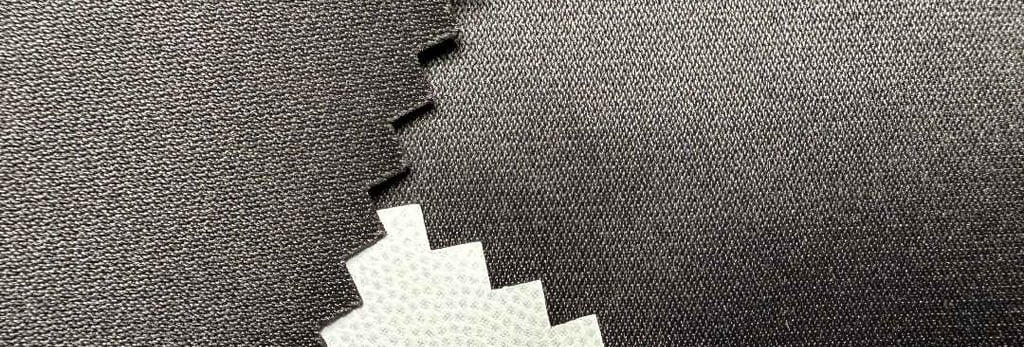
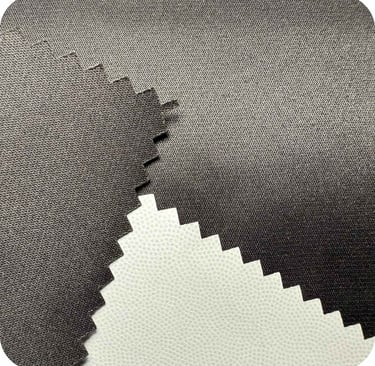
High stretch filament fabrics (Non-Spandex) are woven or knitted textiles made from special engineered polyester or nylon filaments such as SEY, T400, or T800. These filaments provide natural elasticity and recovery without using spandex or elastane, allowing garments to stretch comfortably while maintaining shape.
12/31/20252 min read
High Stretch Filament Fabrics (Non-Spandex): Complete Guide
I. What Are High Stretch Filament Fabrics (Non-Spandex)?
High stretch filament fabrics (Non-Spandex) are woven or knitted textiles made from special engineered polyester or nylon filaments such as SEY, T400, or T800.
These filaments provide natural elasticity and recovery without using spandex or elastane, allowing garments to stretch comfortably while maintaining shape.
Key Features:
Moderate to high stretch with excellent recovery
Soft hand feel and smooth surface
Lightweight yet durable
Maintains shape over repeated wear and washing
Suitable for functional, fashion, and professional apparel
Common Filaments:
SEY: Engineered filament polyester, balanced stretch
T400: Polyester bicomponent fiber with good elasticity
T800: High-performance polyester filament with enhanced stretch and recovery
II. Applications and Suitable Processes by Thickness
1.Thin / Lightweight High Stretch Filament Fabrics (50–120 gsm)
Applications:
Lightweight blouses, dress shirts, skirts, casual tops
Slim-fit summer pants, yoga tops, light sportswear
Suitable Processes:
Fine woven or knitted structures
Heat-setting to stabilize shape and improve recovery
Compatible with digital printing, sublimation, and disperse dyeing
Optional finishing: anti-wrinkle, soft-touch, or water-repellent coating
Advantages:
Lightweight and breathable for summer wear
Natural stretch without spandex, maintains fabric integrity
Smooth surface suitable for printing or dyeing
Limitations:
Stretch lower than spandex-based fabrics
Moderate thermal comfort; less insulation in cooler weather
2.Medium / Midweight High Stretch Filament Fabrics (120–220 gsm)
Applications:
Casual trousers, dresses, mid-season jackets
Polo shirts, office wear, functional workwear
Suitable Processes:
Medium-density weaving or knitting
Heat-setting for shape retention
Compatible with embroidery, screen printing, or functional finishing
Optional water or stain-resistant finishes
Advantages:
Balanced durability, stretch, and comfort
Suitable for structured garments
Resists sagging and deformation after repeated wear
Limitations:
Heavier than thin fabrics
Limited stretch compared to fabrics with spandex
Breathability moderate; may require lining in warm weather
3.Thick / Heavyweight High Stretch Filament Fabrics (220–350 gsm)
Applications:
Structured coats, jackets, blazers, workwear
Functional outerwear requiring shape retention
Suitable Processes:
High-density weave or heavy knitted structures
Can be laminated or coated with PU/TPU for functional properties
Heat-setting and anti-wrinkle finishing essential
Advantages:
Excellent recovery and elasticity without spandex
Durable, abrasion-resistant, and shape-stable
Suitable for high-quality outerwear and professional garments
Limitations:
Heavier, less suitable for lightweight garments
Stretch lower than spandex fabrics
Less breathable; careful ventilation design needed
III. Key Advantages of High Stretch Filament Fabrics (Non-Spandex)
Natural elasticity and shape recovery – no spandex required
Durable and abrasion-resistant – ideal for professional and daily wear
Smooth, soft hand feel – suitable for fashion apparel
Compatible with multiple finishing techniques – printing, coating, and anti-wrinkle
Environmentally friendly compared to blended spandex fabrics – easier to recycle
IV. Main Limitations
Lower stretch compared to spandex fabrics – may not achieve very tight fit
Heavier mid/high-weight fabrics – less ideal for lightweight casual wear
Moderate breathability – requires careful garment design
Higher cost than ordinary polyester/nylon fabrics
Limited thermal insulation in thin fabrics
V. Conclusion
High stretch filament fabrics (non-spandex) like SEY, T400, and T800 provide comfortable elasticity, shape retention, and durability without relying on spandex
By selecting the appropriate thickness and finishing, these fabrics are ideal for lightweight summer tops, midweight office wear, and heavyweight outerwear, offering apparel brands a high-performance, professional, and sustainable fabric solution.
Contact
Address
No. 4101, West Ring 2nd Road, Shengze Town, Wujiang District,
Suzhou, Jiangsu Province, China
Postal Code: 215228
Email:
Howard Delaney:+86 139 1851 7843
© 2025. All rights reserved.
Jerry:+86 133 2801 6961